Why English-Speaking Buyers Choose Personalized Name Necklaces

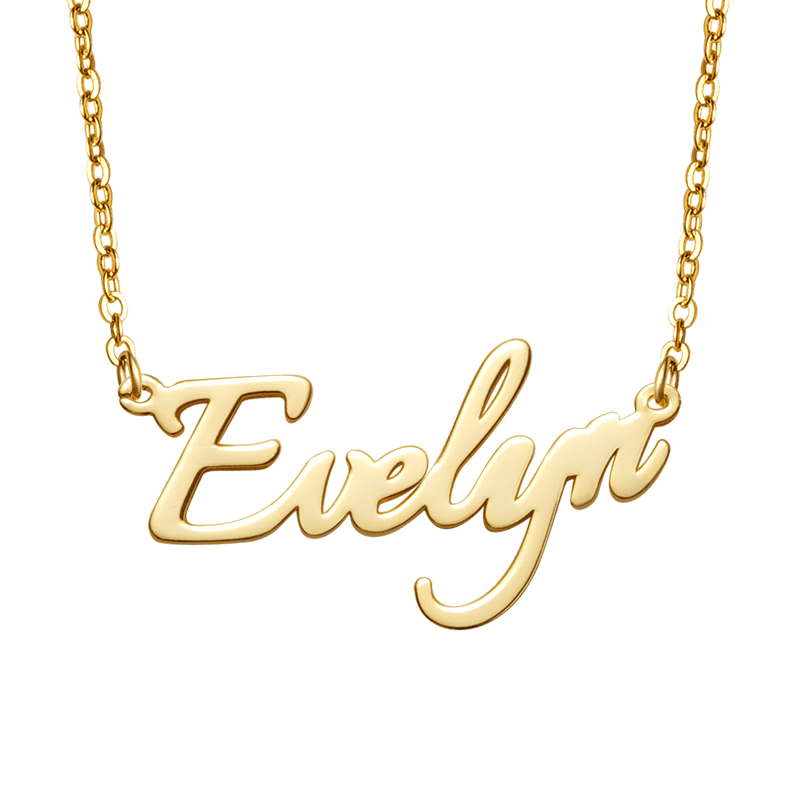
A personalized name necklace is one of those gifts that feels intimate without needing a long explanation. For English-speaking shoppers—whether you are buying for yourself, a partner, a friend, or a family member—the appeal is simple: it turns a familiar word into something you can wear every day.
This guide explains why name jewelry appeals to English-speaking buyers, how to pick a style that matches real life (not just photos), and where to start if you want a piece that looks intentional rather than trendy for a week.
Names feel personal in a way logos never will
English names travel across countries, workplaces, and friend groups. Putting a name on a necklace is less about fashion signaling and more about recognition. It can celebrate:
- your own first name as a quiet confidence piece
- a partner’s name as a daily reminder
- a child’s name for a parent who wants something wearable, not framed
- a short nickname that only a few people use
Unlike seasonal accessories, a nameplate or letter pendant stays readable. That readability is part of why English-speaking buyers keep returning to this category: the meaning does not depend on a temporary meme or a logo season.
Start with the use case, not the catalog filter
Before you compare fonts, decide how the necklace will actually be worn.
Everyday layering. If the buyer already wears chains, a slim letter pendant or a delicate nameplate works best. Look at the letter name necklace when you want something light enough to stack with other pieces.
Statement nameplate. A horizontal nameplate reads clearly in photos and in person. Browse the name plate necklace collection if the goal is a clean, modern line across the collarbone.
Greek-letter elegance. Some English names look especially striking in Greek script. The Alexandra Greek name necklace is a useful reference for that aesthetic—classic, elongated, and easy to dress up or down.
Circle silhouette. If you prefer a compact shape that sits near the center of the neckline, consider a circular name design such as the Elara circle necklace. Circles photograph well and often feel less formal than a long bar.
English-language shopping habits that matter
English-speaking buyers—especially in the US, UK, Canada, and Australia—tend to evaluate personalized jewelry with a practical checklist:
- Spelling confidence. Custom text cannot be “close enough.” Double-check every letter before ordering.
- Length and layering. Will it sit above a crew neck, under a blazer, or with a V-neck dress?
- Occasion clarity. Birthday, anniversary, graduation, new baby, or “just because” each suggests a different scale and style.
- Giftability. Can it ship ready to give without awkward sizing debates? Necklaces usually win here versus rings or bracelets.
These are not glamorous criteria, but they are why name necklaces convert so consistently as gifts: fewer fit questions, clearer emotional payoff.
Avoid common ordering mistakes
- Overlong text on a tiny plate. Longer names need a design that still leaves breathing room between letters.
- Choosing a novelty font for daily wear. Script can be beautiful; ultra-ornate lettering can become hard to read at small sizes.
- Ignoring neckline habits. A piece bought for evening photos may feel wrong with weekday outfits.
- Skipping the “say it out loud” test. If you would not casually say the word on the pendant, reconsider the nickname.
A simple decision path
- Pick the wearer and the occasion.
- Choose silhouette: letter, nameplate, Greek script, or circle.
- Confirm exact spelling and capitalization.
- Match chain length to the clothes they actually wear.
- Order from a shop that focuses on personalized name jewelry rather than treating engraving as an afterthought.
If you want a focused place to begin, Customize Names builds around personalized name jewelry for English-speaking buyers, with clear product pages for letter pendants, Greek styles, circle designs, and nameplate collections.
Personalized jewelry works when it feels inevitable—like the name belonged on a chain all along. Start with the person, choose a silhouette that fits their week, and let the letters do the rest.